10 Ways AI Tutors Are Transforming the Student Learning Experience
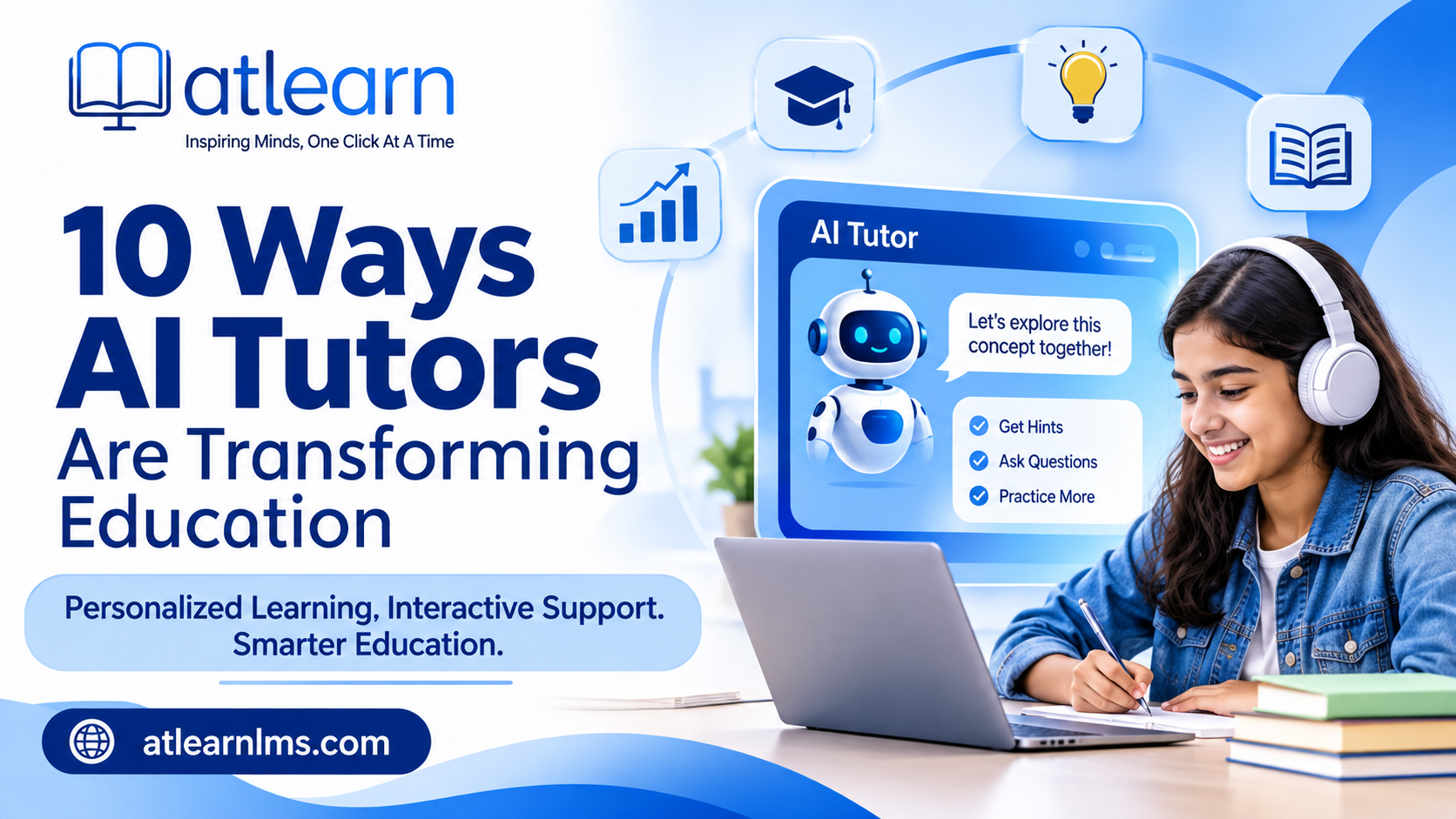
Education is changing as technology becomes a bigger part of everyday learning. Students now expect learning experiences that are flexible, interactive, and suited to their individual needs. This is where AI tutors are making a difference.
AI tutors use artificial intelligence to answer questions, explain concepts, provide practice activities, and guide students through challenging topics. Unlike traditional digital learning resources, they can respond to individual questions and offer interactive support.
But how exactly can AI tutors improve the learning experience? Here are 10 important ways they support students and educators.
1. Provide Personalized Learning Support
Every student learns differently. Some understand concepts quickly, while others need additional explanations and practice.
AI tutors can adjust explanations and learning support according to a student's questions, responses, and learning needs. This helps create a more personalized learning experience instead of delivering identical support to everyone.
2. Offer Learning Assistance Anytime
Students do not always need help during classroom hours. They may study late at night, revise before examinations, or work on assignments outside school.
AI tutors can provide on-demand assistance, allowing students to ask questions and explore concepts whenever the tool is available.
3. Explain Difficult Concepts Step by Step
Reading a textbook explanation is not always enough to understand a difficult topic.
AI tutoring tools can break complex subjects into smaller explanations, provide examples, and guide students through individual steps. This can make challenging concepts easier to explore.
4. Encourage Independent Problem-Solving
A useful AI tutor should help students understand how to reach an answer rather than simply provide the final solution.
With guided questions, progressive hints, and partial examples, students can think through problems independently and develop stronger problem-solving habits.
5. Provide Interactive Practice
Learning becomes more meaningful when students apply what they have studied.
AI tutors can support interactive quizzes, practice questions, flashcards, and other learning activities. These activities give students opportunities to test their understanding and identify topics that need further attention.
6. Support Different Learning Preferences
Some students prefer reading explanations, while others find spoken conversations or visual examples more helpful.
AI tutoring platforms may offer text-based interaction, voice conversations, and interactive learning activities. Multiple ways to engage can make digital learning more accessible to different learners.
7. Help Students Identify Learning Gaps
Students may move through lessons without fully understanding every concept.
When connected with appropriate assessment and progress-tracking tools, AI-supported learning platforms can help identify areas where students need additional practice. Educators can use these insights to plan further support.
8. Make Learning More Flexible
Students have different schedules, learning speeds, and academic requirements.
AI tutors allow learners to revisit explanations, ask follow-up questions, and practise topics at their own pace. This flexibility can complement classroom teaching and structured online courses.
9. Support Teachers and Educators
AI tutors are not designed to replace teachers. They can provide additional learning assistance while educators focus on teaching, mentoring, classroom interaction, and individual intervention.
When combined with suitable learning analytics, AI-powered platforms can also help teachers understand student engagement and areas of difficulty.
10. Create More Engaging Digital Learning Experiences
Traditional online learning can sometimes become limited to watching videos, reading materials, and completing assessments.
AI tutors introduce interactive conversations, guided practice, and responsive explanations. These features can make digital learning more participatory when they are thoughtfully integrated into the curriculum.
How AtLearnLMS Brings AI Tutoring Into Learning
AtLearnLMS combines AI-powered tutoring with digital learning tools to support more interactive and personalized education.
Its Tutor AI experience supports students through voice and text interactions, curriculum-based assistance, and guided learning activities. The tutoring approach uses progressive hints to encourage students to think through questions rather than immediately receive final answers.
AtLearnLMS also brings together AI tutoring, adaptive learning, course management, assessments, and learning analytics to support schools, coaching institutes, universities, and other educational organizations.
Explore the platform: AtLearnLMS
Discover Tutor AI: tutorai.atlearnlms.com
Are AI Tutors the Future of Education?
AI tutors are creating new opportunities for personalized and flexible learning. They can help students explore difficult concepts, practise independently, and receive additional academic support.
However, their effectiveness depends on how they are designed and used. Accurate learning content, responsible AI practices, student data protection, and teacher involvement remain essential.
The most effective approach is not to replace human educators but to combine their guidance with AI-powered learning support.
With solutions like AtLearnLMS, educational institutions can take practical steps toward creating more interactive, student-focused learning environments.